

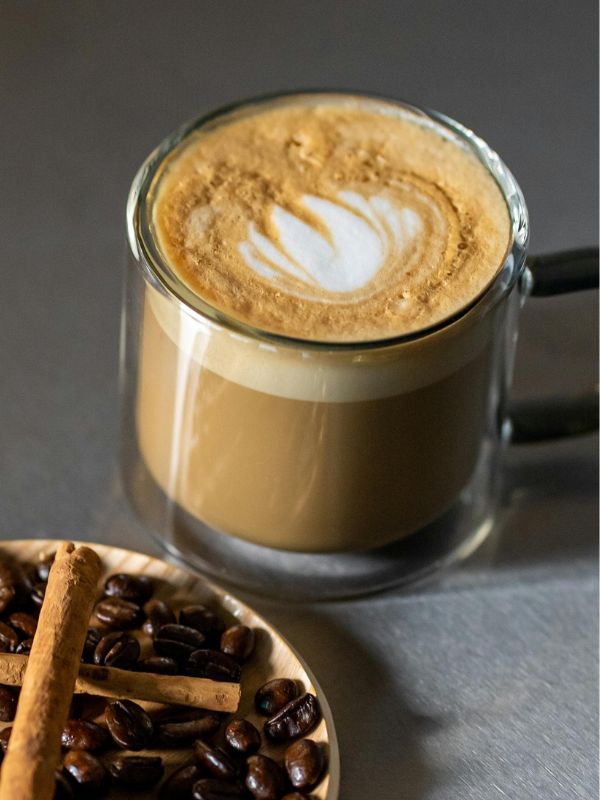
What It Tastes Like
A dirty chai is a spiced tea latte with an added shot of espresso. The flavor blends warm spices like cinnamon and ginger with the toasted, slightly bitter notes of coffee, creating a drink that is richer than a chai latte but smoother than straight espresso.
Compared to a chai latte, the espresso adds depth and a subtle bitterness, while the spices remain at the center of the flavor.
Note: Chai is "spiced," not spicy-hot. The warmth comes from aromatics like cinnamon, though some blends include black pepper for a slight bite.
💡 Behind the Cup
Most cafés prepare this drink using a chai concentrate—a blend of black tea, spices, and sugar—which is then combined with steamed milk. A shot of espresso is added last, increasing the body of the drink and balancing the sweetness of the tea.
The spices lead, while the espresso adds depth and a subtle bitterness that balances the sweetness.
How to Order
Simple version: "I'll have a dirty chai, please."
With customization:
- "Can I get an iced dirty chai?"
- "I'd like a dirty chai, half sweet."
- "Dirty chai with oat milk and an extra shot, please."
Note: “Dirty” is simply café shorthand for adding espresso to chai. If a café does not recognize the term, you can order a "Chai latte with a shot of espresso."
Customize It
Espresso shots
- Single dirty = 1 espresso shot added to the chai (the standard balance)
- Double dirty = 2 espresso shots (more pronounced coffee flavor)
- Triple dirty = 3 espresso shots (espresso becomes dominant)
Sweetness Most chai is made from a sweetened concentrate. Because espresso has a naturally bitter edge, adjusting the sweetness can help balance the drink:
- Standard = default sweetness from the chai concentrate
- Half sweet = uses less chai concentrate, reducing both sweetness and spice intensity
- Extra sweet = includes more chai or a splash of vanilla
See sweetness options.
Milk
Whole milk creates a rich, velvety texture. Oat milk is a popular choice, as its toasted flavor complements both the spices and the espresso.
See milk choices.
Temperature
- Hot = the warmth softens the spices, creating a smooth, blended flavor
- Iced = served over ice, creating a sharper profile where the spice and espresso stand out more distinctly
Common Confusion
"Is 'chai tea' the correct term?"
"Chai" is the Hindi word for tea. Saying "chai tea" literally translates to "tea tea." In most Western cafés, "chai" refers to Masala Chai, a spiced black tea with milk.
"Is this more coffee or more tea?"
It remains primarily tea-based. The spices lead, while the espresso adds richness and body.
"How much caffeine does it have?"
A 250 ml (≈8.5 oz) serving typically contains 110–135 mg of caffeine, coming from both the tea and the espresso.
Why It's Called "Dirty"
The name comes from how the dark espresso swirls into the lighter, milky tea—giving the drink a “dirty” appearance.
Not sure if you want the espresso? See our Chai Latte vs. Dirty Chai guide.
📌 Good to Know
Most café chai concentrates are pre-sweetened, so a dirty chai is naturally on the sweeter side. To adjust this, you can order it "half-sweet," which reduces the amount of concentrate used. Pairing this with oat milk can also create a creamy texture that complements the espresso without the heaviness of dairy.
Try Next
If you enjoy the tea-coffee crossover, return to a chai latte for a version without coffee, or try a latte to experience espresso and milk without the spices.