
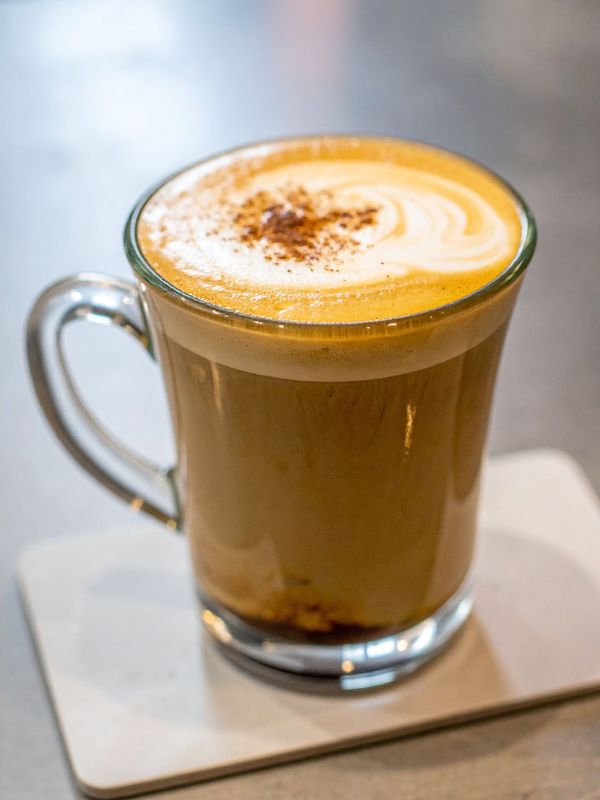
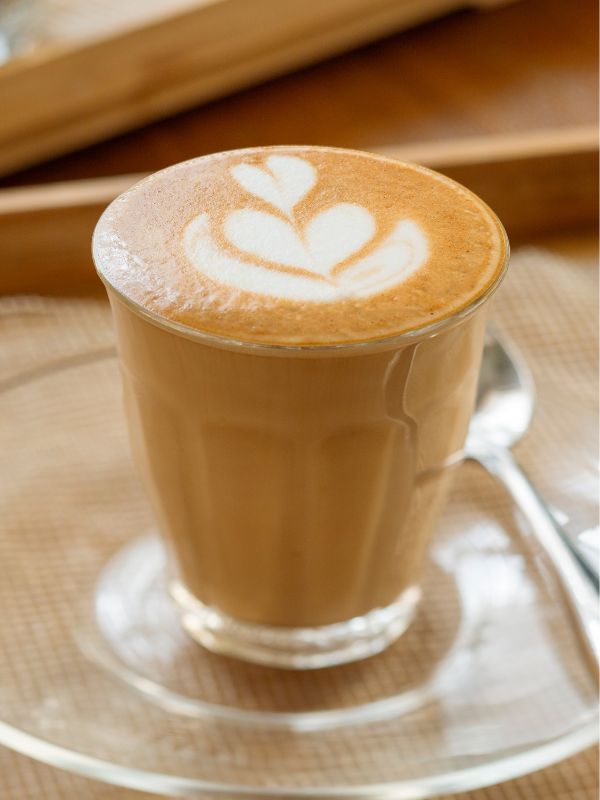


What is a Spanish Latte?
A Spanish latte is an espresso-based coffee drink made with espresso, steamed milk, and sweetened condensed milk. The condensed milk replaces some or all of the sugar in a regular latte, adding both sweetness and a thicker, creamier texture.
Despite the name, the Spanish latte's exact origin isn't well documented. The modern café version is especially common in Southeast Asia — particularly Singapore, Malaysia, and the Philippines — and has since appeared on specialty café menus worldwide.
What is a Latte?
A regular latte is an espresso-based coffee drink made with one or two shots of espresso and steamed milk, topped with a thin layer of milk foam. It contains no added sweetener unless requested, so the taste is balanced and milk-forward.
Lattes are one of the most popular café drinks worldwide and serve as the base for many variations, including the Spanish latte, vanilla latte, and caramel latte.
The Main Difference
A regular latte is espresso and steamed milk. A Spanish latte adds sweetened condensed milk — either instead of some of the regular milk, or layered at the bottom of the glass before the espresso and steamed milk are added.
Sweetened condensed milk is thicker and denser than regular milk, and it contains added sugar. The result is a latte that is noticeably sweeter and richer without any additional syrups or flavor shots.
How Does a Spanish Latte Taste Compared to a Regular Latte?
A Spanish latte tastes sweet and creamy, with built-in sweetness from the condensed milk and a thicker mouthfeel than a regular latte. A regular latte tastes balanced and milk-forward, with no sweetness unless added.
The flavor of a Spanish latte often reminds people of caramel or vanilla, even though no flavored syrups are used — the sweetness and slight caramelization of the condensed milk produce those notes on their own. A regular latte, by comparison, keeps the espresso flavor more prominent, with the steamed milk softening the edges without masking the coffee.
Sweetness Level
A regular latte has no added sugar unless you add it. A Spanish latte gets its sweetness from condensed milk — often similar in sweetness to a lightly sweetened latte, depending on how much condensed milk the café uses.
If you usually order your latte with sugar or a vanilla pump, a Spanish latte may suit your taste. If you drink your latte unsweetened, the Spanish version may taste too sweet. Some cafés will reduce the condensed milk if you ask for a "half sweet" or "light" Spanish latte. See the sweetness guide for more on ordering less sweet.
Texture
Condensed milk is thicker than regular steamed milk, which gives the Spanish latte a denser, creamier mouthfeel. A regular latte has a lighter body because the milk is only steamed, not concentrated and sweetened.
When poured iced, the difference is even more visible — the condensed milk often sinks and forms a sweet layer at the bottom of the glass before being stirred, while a regular iced latte stays evenly distributed throughout.
How Much Caffeine Is in a Spanish Latte vs Latte?
Both drinks contain similar amounts of caffeine because they use the same espresso base. A 250 ml (≈8.5 oz) serving of either drink typically contains 60–130 mg of caffeine, depending on whether it is made with a single or double shot of espresso.
The Spanish latte can taste stronger because of its richer body, but the caffeine amount is essentially the same as a regular latte with the same number of espresso shots.
For a broader caffeine comparison across café drinks, see the Caffeine Guide.
How to Order
Basic order: "I'll have a Spanish latte, please." or "I'll have a latte, please."
With customization:
- "Can I get a Spanish latte with oat milk?"
- "Half-sweet Spanish latte, please." (reduces the condensed milk)
- "Latte with an extra shot."
Some cafés serve Spanish lattes iced by default, while others prepare them hot unless you specify. If you want a specific temperature, mention it when ordering.
Common Confusion
Is a Spanish latte just a sweetened latte?
Not exactly. While both contain espresso and steamed milk, the Spanish latte uses sweetened condensed milk, which adds both sweetness and a thicker, richer texture. The result is denser and creamier than a regular latte with sugar added.
Where did the Spanish latte come from?
The Spanish latte's exact origin isn't well documented. The modern café version is especially common in Southeast Asia, particularly Singapore, Malaysia, and the Philippines. You may also see it called a "Singapore latte" or a "condensed milk latte."
Is a Spanish latte the same as café con leche?
No. Café con leche is a traditional Spanish drink made with scalded milk and espresso, sweetened separately if at all. A Spanish latte relies on condensed milk for sweetness and has a distinctly denser, sweeter profile. The two drinks share the espresso-and-milk format but produce different flavors and textures.
Which has more calories, a Spanish latte or a regular latte?
A Spanish latte usually has more calories and sugar because of the sweetened condensed milk. An 8 oz version may land around 200 calories or more, depending on the recipe, while an unsweetened regular latte of the same size is usually lower because it contains only espresso and milk.
Can you order a Spanish latte iced?
Yes. Iced Spanish lattes are common and often served with the condensed milk pooled at the bottom of the glass, creating a visible sweet layer. Stirring blends the sweetness through the drink.
📌 Good to Know
A Spanish latte can taste stronger than a regular latte even when it has the same number of espresso shots. The condensed milk makes the whole drink richer and sweeter.
This is why Spanish lattes are often described as "richer" rather than "stronger." The flavor is more prominent, but the caffeine is the same.