


The Source of the Bean and the Leaf
The most fundamental difference is the origin of the caffeine.
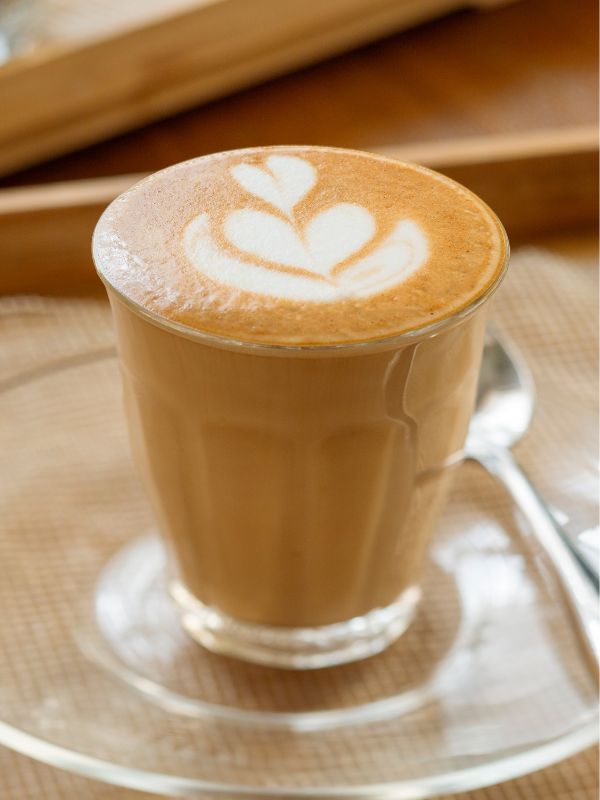
Coffee is made from the seeds of the Coffea plant. These seeds are dried, roasted, and ground before brewing. Much of the flavor develops during roasting, when sugars caramelize and aromatic oils form.
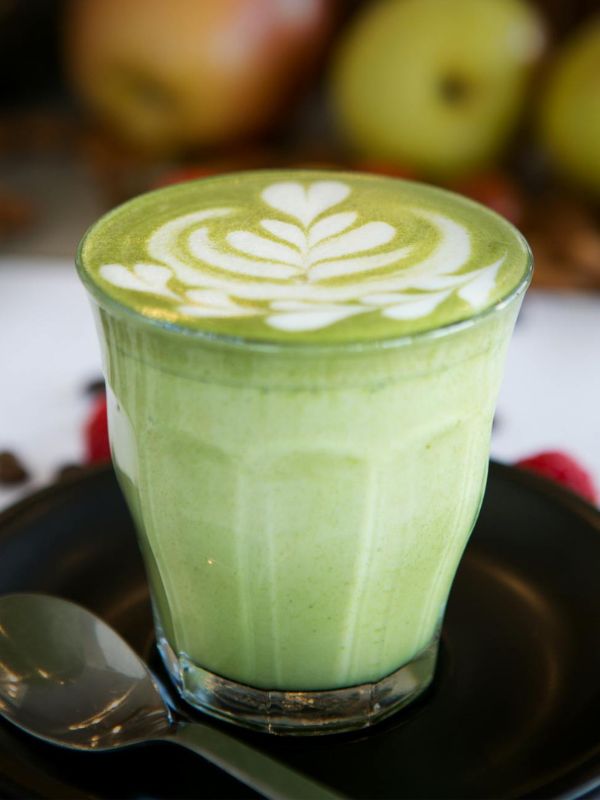
Matcha is made from the leaves of the Camellia sinensis (kuh-MEE-lee-uh sih-NEN-sis) tea plant. The leaves are shade-grown to increase chlorophyll, then steamed, dried, and ground into a fine powder. Because the powder is mixed directly into the drink rather than steeped and removed, the flavor is stronger than most steeped green teas.
Good to Know: Ceremonial vs. Culinary Grade
When buying matcha, you may see it categorized by "grade."
Ceremonial grade uses younger tea leaves and is intended to be whisked with water and consumed on its own. It tends to be smoother and lighter in flavor.
Culinary grade uses slightly older leaves and has a stronger flavor. In cafés, this grade is often used for matcha lattes because it remains noticeable when mixed with milk and sweeteners.
The Energy Experience
Both a standard latte and a matcha latte often contain roughly 60–80 mg of caffeine, though this varies by preparation.
Coffee caffeine enters the bloodstream relatively quickly, which is why many people drink it for an immediate increase in alertness.
Matcha contains L-theanine (el-THEE-uh-neen), an amino acid found in tea. L-theanine slows how caffeine is absorbed, which changes how the caffeine is experienced compared to coffee.
Flavor and Texture
A Matcha Latte has an umami (oo-MAH-mee, a savory taste) quality that is characteristic of green tea. Because fine tea powder is mixed directly into the drink, the texture can feel slightly thicker than brewed tea.
A Coffee Latte is defined by roasted flavors from the coffee beans. Depending on the origin of the beans, it may taste like cocoa, toasted nuts, or fruit. The finish is lighter because the coffee grounds are filtered out during brewing.
Which to Order
If you are looking for a traditional roasted coffee drink with a familiar café flavor, the Latte is the standard choice.
If you want a tea-based alternative with green tea flavor and moderate caffeine, the Matcha Latte provides a different experience built around tea rather than coffee.