
The Effect of Heat
The main difference between matcha and hojicha comes from how the tea leaves are processed—specifically, whether they are roasted.
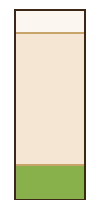
Matcha uses tea leaves that are steamed and dried but never roasted. This preserves the chlorophyll in the leaves, which gives the latte its vivid green color. Because the leaves are ground into a fine powder and whisked directly into the drink, the entire leaf is consumed. This produces a strong green tea flavor.
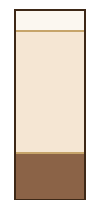
Hojicha is made by roasting green tea leaves at a high temperature. This process changes the color and flavor of the leaves, turning them from green to a reddish-brown shade. Roasting reduces some of the bitterness of the tea and produces a toasted aroma.
📌 Good to Know
In a café setting, you may notice a difference in how these drinks are prepared. Matcha is usually made with powder mixed directly into the drink, which creates a slightly thicker texture.
Hojicha may be prepared two ways: as a finely ground powder (similar to matcha) or as a brewed tea concentrate made from whole leaves. If the café uses a concentrate, the drink will feel thinner and more like traditional tea. If they use powder, the drink will feel creamier.
Caffeine Content
For consistency, this comparison uses a standard 250 ml (≈8.5 oz) serving.
- A matcha latte typically contains 60–80 mg of caffeine, depending on how much matcha powder is used.
- A hojicha latte typically contains 15–30 mg of caffeine in the same serving size.
Matcha also contains L-theanine (el-THEE-uh-neen), an amino acid naturally found in tea leaves. It does not add caffeine, but it helps explain why matcha can feel different from coffee even when both contain caffeine.
Hojicha is usually lower in caffeine because it is often made from roasted mature leaves and stems, which tend to contain less caffeine than the younger leaves used for matcha.
Flavor Comparison
Matcha is savory and earthy, with a grassy green tea flavor. It pairs well with sweeteners like honey or agave, which can balance the natural bitterness.
Hojicha has a roasted flavor often compared to toasted grains or nuts. It is usually less grassy than matcha and often tastes less bitter than standard green tea.