


Two Tea Traditions
Chai and matcha come from different tea traditions, which shapes how they are prepared and how they taste in a café.
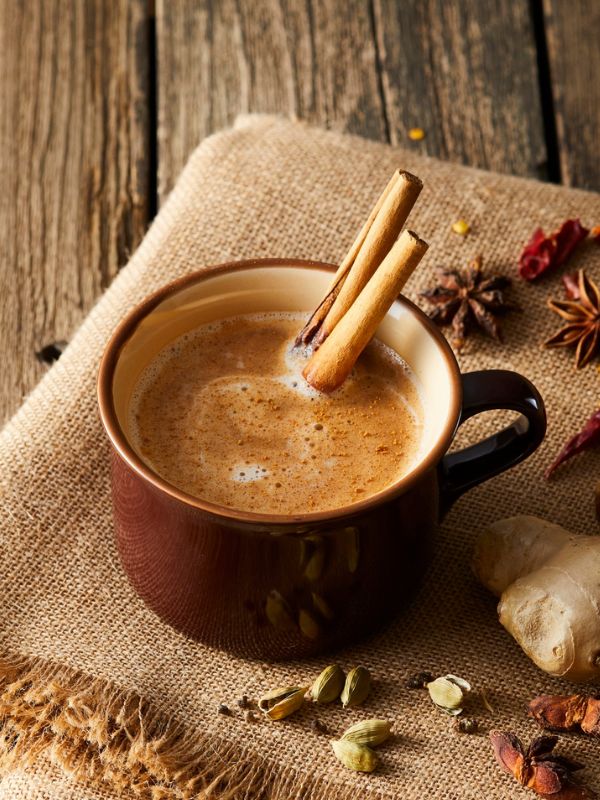
A Chai Latte is inspired by masala chai (mah-SAH-lah chai). The word chai (rhymes with "eye") means tea in several languages including Hindi. In most cafés, a chai latte is made using a spiced tea concentrate mixed with steamed milk. The flavor comes from a blend of spices. This often includes cardamom (KAR-duh-mum, a citrusy aromatic spice), clove (a strong warm spice), and ginger (a warm, aromatic spice that adds gentle heat).
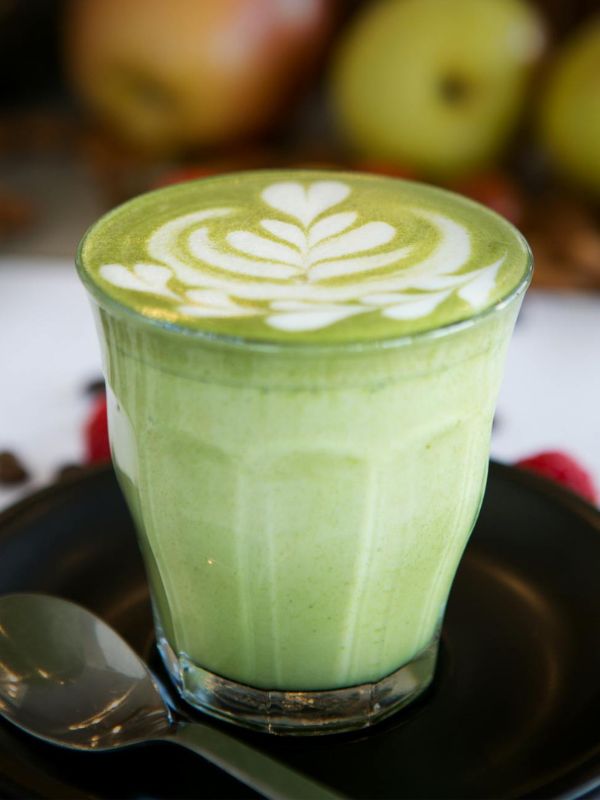
A Matcha Latte is based on matcha (MAH-cha), a finely ground green tea powder used in Japanese tea preparation. Instead of steeping tea leaves and removing them, the powder is whisked into water to form a base before milk is added. Because the entire tea leaf is consumed, matcha produces a fuller flavor than most steeped teas.
Flavor and Texture
A Chai Latte usually tastes warm and spiced. Many café chai concentrates contain sugar or honey, so the spices combine with milk to create a smooth and mildly sweet drink. The texture is similar to a traditional latte.
A Matcha Latte has a more earthy flavor. Some cafés add sweetener to balance matcha’s natural bitterness, but the main flavor remains green tea. Because the drink contains suspended tea powder, the texture may feel slightly fuller than most brewed teas.
📌 Good to Know
Both drinks contain caffeine, but tea also contains L-theanine (el-THEE-uh-neen), an amino acid naturally found in tea leaves. It does not add caffeine, but it helps explain why tea-based drinks can feel different from coffee even when both contain caffeine.
Caffeine Content
For consistency, this comparison uses a standard 250 ml (≈8.5 oz) serving.
- A chai latte typically contains 30–50 mg of caffeine from black tea.
- A matcha latte typically contains 60–80 mg of caffeine in the same serving size, depending on how much matcha powder is used.
Matcha contains more caffeine because the powdered tea leaf is whisked directly into the drink rather than steeped and removed.
How to Order
Both drinks are common café menu items.
Simple version:
"I'll have a chai latte, please."
"I'll have a matcha latte, please."
Adjusting sweetness:
If you prefer a less sweet drink, you can ask whether the café uses a pre-sweetened concentrate or if the sweetness can be adjusted.
Both drinks are also commonly served iced, making them easy options year-round.