

What It Is
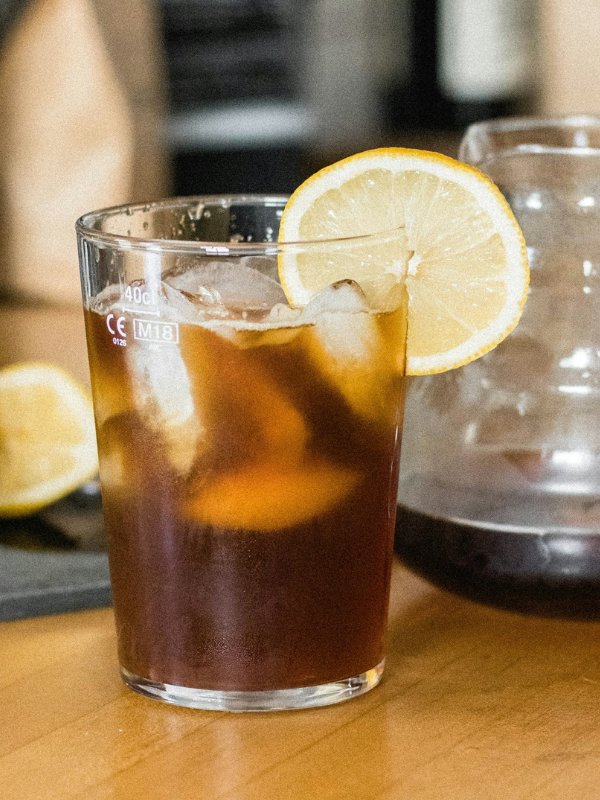
A Mazagran (mah-zah-GRAHN) is a cold coffee drink made with strong coffee or espresso, lemon, and ice. It is sometimes sweetened with sugar or simple syrup.
The result is tart and citrusy, with a sharper edge than plain iced coffee. It is non-alcoholic in modern cafés, though early versions sometimes included brandy or cognac.
What It Tastes Like
A Mazagran tastes tart, brisk, and coffee-forward. The lemon adds a clean citric brightness that sits next to the coffee's natural acidity rather than blending into it.
The drink stays light. There is no milk to soften the coffee, and no carbonation to lift the aromatics. Instead, the cold and the lemon do the work — the chill softens bitterness, while the citrus sharpens the coffee’s brighter notes.
If you have had an espresso tonic, Mazagran will feel related but quieter. Both pair coffee with a bright, acidic element. Mazagran is still and lemon-forward; espresso tonic is fizzy, bittersweet, and shaped by tonic water.
💡 Behind the Cup
Mazagran is named after the town of Mazagran in Algeria. French soldiers stationed there in the 1840s mixed strong coffee with cold water — and often lemon — to make it more drinkable in the heat. When they returned to France, the drink came with them.
By the late 1800s, Mazagran appeared in Parisian cafés in dedicated tall glasses, sometimes with sugar or a splash of cognac. The drink later became especially popular in Portugal, where it remains a common summer order.
It is often called one of the earliest iced coffee preparations on record. Whether it was the actual first is hard to settle, but it predates most of the cold coffee drinks served in modern cafés.
How to Order
Simple version: "I'll have a Mazagran, please."
Mazagran is most common in Portuguese cafés, French cafés, and specialty shops with a focus on traditional drinks. If the café isn't familiar, you can describe it:
"Strong coffee over ice with lemon, served without milk."
With customization:
- "Mazagran with simple syrup, please."
- "Can I get a Mazagran with espresso instead of brewed coffee?"
- "Mazagran with extra lemon."
What to expect: A Mazagran is usually served in a tall glass, often with a lemon slice or wedge on the rim. Some cafés serve it with sugar already mixed in; others bring sugar on the side.
Customize It
Coffee Base The base coffee changes the character of the drink:
- Espresso = more concentrated and coffee-forward
- Strong brewed coffee = lighter and closer to iced coffee
- Cold brew = smoother and less acidic, though less traditional
Sweetness Mazagran is not sweet by default. Sugar or simple syrup balances the lemon's tartness without masking the coffee. See sweetness options.
Lemon
- Lemon juice = sharper, more direct citrus
- Lemon slice or wedge = milder, with the citrus building as it sits
- Lemon zest = aromatic without adding much acid
Strength Asking for an extra shot of espresso or stronger brewed coffee keeps the drink coffee-forward as the ice melts.
Common Confusion
"Is there alcohol in it?" No. Some 19th-century versions included brandy or cognac, especially in French cafés, but the modern café Mazagran is non-alcoholic. It contains coffee or espresso, lemon, ice, and sometimes sugar.
"How is it different from an espresso tonic?" Both drinks pair coffee with a bright, acidic element, but the mechanics differ:
| Feature | Mazagran | Espresso Tonic |
|---|---|---|
| Liquid base | Still water (or just ice) | Carbonated tonic water |
| Bright element | Lemon juice | Quinine + citrus garnish |
| Texture | Cold and still | Fizzy |
| Sweetness | Usually unsweetened or lightly sweetened | Tonic water is already sweet |
"Doesn't lemon curdle coffee?" Lemon does not curdle black coffee on its own. Curdling happens when acid meets dairy proteins, so a Mazagran made without milk is not at risk. If milk is added, the acid can cause separation.
"Is it the same as a Portuguese Mazagran?" The drink is especially associated with Portugal, where it is a common summer order. Portuguese versions are usually espresso-based, served in a tall glass over ice with lemon and sometimes sugar. Other countries serve it with brewed coffee instead.
"How much caffeine does it have?" A 250 ml (≈8.5 oz) serving typically contains ~80–150 mg of caffeine, depending on whether it is made with espresso or strong brewed coffee.
📌 Good to Know
The order in which the drink is built can affect how quickly the lemon mixes into the coffee. Most cafés add ice, then lemon, then pour the coffee over the top. This lets the coffee cool quickly while the lemon settles into the bottom of the glass, ready to mix in as the drink is stirred.
If sugar is being added, it dissolves better when stirred into the hot coffee before the coffee is poured over ice. Sugar added at the end tends to settle and not fully dissolve.
🌍 Regional Notes
Portugal — Tall glass tradition Mazagran is widely available in Portuguese cafés, especially in summer. It is usually espresso-based and served in a dedicated tall glass with ice, lemon, and sometimes sugar on the side.
France — Historical home The drink became popular in Paris in the late 1800s and was sometimes served in a footed glass called a verre à mazagran. French versions occasionally included cognac, though this is rare today.
Algeria — Origin Mazagran is named after the Algerian coastal town where French soldiers first prepared the drink in the 1840s. The original was strong coffee mixed with cold water and lemon to make it drinkable in hot weather.
Try Next
If you enjoy the way coffee pairs with a bright, acidic element, try an espresso tonic for a fizzy version of the same idea. For a more familiar starting point, try a classic iced coffee.