
What It Is
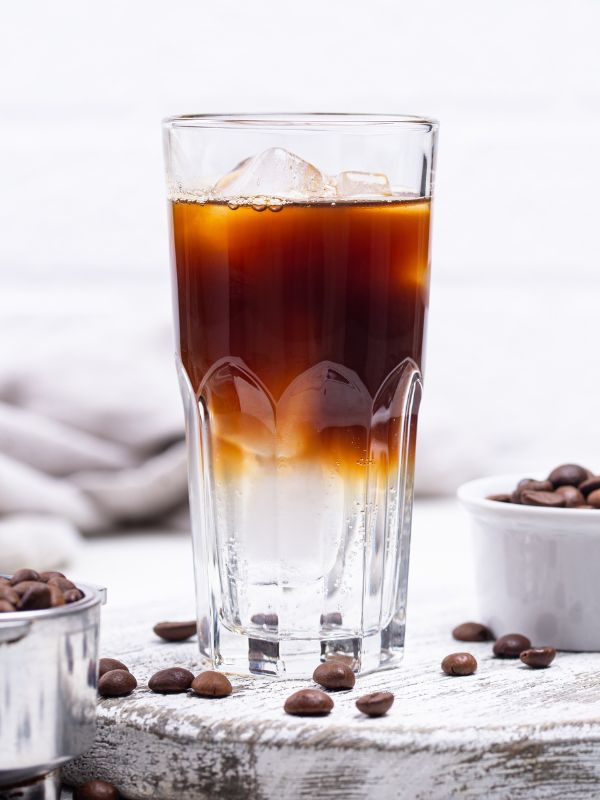
An espresso tonic is a non-alcoholic coffee drink made by pouring espresso over tonic water and ice.
The result is bittersweet and fizzy — closer to a flavored soda than to a typical coffee drink. It contains no alcohol despite the cocktail-style glass.
What It Tastes Like
The carbonation in tonic water lifts the espresso's brighter, fruitier notes to the surface. You'll often notice citrus, berry, or floral notes that don't come through in a hot espresso.
Espresso tonic lands between coffee and soda in flavor — sweet enough to avoid harshness, but bitter enough to still taste like coffee.
💡 Behind the Cup
Tonic water contains quinine, a naturally bitter compound that gives it a sharp, slightly herbal edge. Espresso is also bitter, but in a different way — its bitterness comes from roasted coffee compounds, not quinine.
When the two combine, the bitterness does not double. Most tonic waters include sugar or a sweetener, which softens the espresso, while the carbonation makes the coffee's acidity feel brighter.
The result is a drink that tastes lighter and more aromatic than the espresso it is built from.
How to Order
Simple version: "I'll have an espresso tonic, please."
Most cafés that offer it follow a standard build: tonic water and ice, with a shot of espresso poured on top.
With customization:
- "Espresso tonic with a lemon twist."
- "Can I get a double espresso tonic?"
- "Espresso tonic with light ice, please."
Note: Some cafés finish the drink with a citrus peel or a small amount of simple syrup. If you prefer it less bitter, ask whether it's pre-sweetened or whether sweetener can be added.
Customize It
Strength
- Single shot = lighter, more sparkling
- Double shot = stronger coffee flavor, less dominated by tonic
- Light ice = less dilution, though the drink may warm up and lose fizz faster
Sweetness Tonic water is already sweetened, so most espresso tonics don't need additional sugar. If yours tastes too bitter, a small amount of simple syrup blends well. See sweetness options.
Garnish
- Lemon or orange peel = adds brightness and aroma
- No garnish = lets the coffee and tonic flavors stand on their own
Tonic choice Some specialty cafés offer different tonic brands. Drier tonics (less sweet) emphasize the coffee's bitterness; more aromatic tonics (with botanicals like elderflower or rosemary) layer additional flavors.
Common Confusion
"Is an espresso tonic alcoholic?" No. Espresso tonic contains no alcohol. The cocktail-style glass and gin-and-tonic association are coincidental — it contains only espresso, tonic water, and ice.
"Is it sweet or bitter?" Both. Tonic water adds sweetness and quinine bitterness, while espresso adds coffee bitterness and acidity. A well-balanced espresso tonic tastes bittersweet and refreshing, not harsh.
"Why does it taste fruity?" Carbonation lifts aromatic compounds out of the liquid and into the air, where you can smell them as you drink. This is why the espresso's fruity or floral notes are much more noticeable than in a hot espresso.
"How much caffeine does it have?" A 250 ml (≈8.5 oz) serving with one shot of espresso typically contains ~60–80 mg of caffeine, similar to a single espresso. A double-shot version contains roughly twice that.
📌 Good to Know
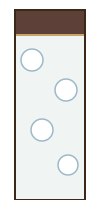
The order in which the drink is built matters. Most cafés add ice first, then tonic water, then pour the espresso on top. This creates a brief layered effect — the dark espresso sits above the clear tonic for a few seconds before mixing.
If the espresso is poured first, the carbonation foams up rapidly and can spill over. The tonic-then-espresso order also lets you smell the espresso aromatics before they mix in.
For the freshest taste, drink it within a few minutes. The carbonation fades quickly, and the drink loses its lift once flat.
Try Next
If you want a similar cold, espresso-forward drink without carbonation, try a cold brew. If you want a lighter cold coffee with a more familiar profile, try an iced coffee.