
What It Is
An iced latte is a cold espresso drink made with one or two shots of espresso, cold milk, and ice. It uses the same ingredients as a hot latte, but the milk is poured cold over ice instead of being steamed.
The result is a smooth, creamy drink with the same espresso-and-milk base as a hot latte, served chilled.
What It Tastes Like
An iced latte tastes smooth and milk-forward, with the espresso softened by a large amount of cold milk. The flavor is similar to a hot latte, but the cold preparation gives it a lighter feel and a less integrated texture before stirring.
Iced lattes are often compared with cold brew and iced coffee, but the base is different — an iced latte starts with espresso, while iced coffee uses hot-brewed drip coffee and cold brew is steeped without heat.
💡 Behind the Cup
An iced latte uses the same ingredients as a hot latte, but the preparation changes how the drink behaves.
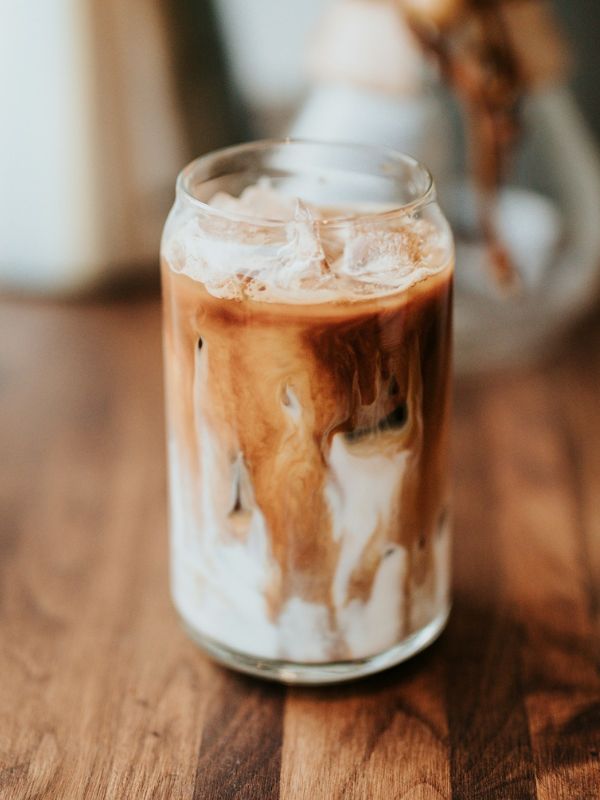
Instead of steaming the milk, cold milk and espresso are poured over ice. Many cafés add the milk first, then pour the espresso on top. This cools the espresso quickly and creates the layered look often seen in clear glasses.
Many cafés prepare larger iced lattes with two shots of espresso by default. If you want a lighter drink, you can ask for one shot.
Iced Latte vs Iced Coffee
These two drinks are commonly confused, but they are built on different bases:
| Feature | Iced Latte | Iced Coffee |
|---|---|---|
| Coffee base | Espresso (1–2 shots) | Hot-brewed drip coffee, then chilled |
| Milk | Large amount, integral to drink | Optional, often added by customer |
| Texture | Creamy and smooth | Thinner and lighter |
| Flavor | Milk-forward, balanced espresso | Bright, similar to traditional coffee |
For a full side-by-side, see Iced Latte vs Iced Coffee.
How to Order
Standard version:
"Can I get an iced latte, please?"
With customization:
- "Iced latte with oat milk"
- "Iced latte with one pump vanilla"
- "Iced latte with an extra shot"
Customize It
Milk
Whole milk creates the creamiest texture. Oat milk pairs particularly well with cold espresso. Almond and skim milk create a thinner, lighter drink.
See milk options.
Sweetness
Iced lattes are not sweet by default. Syrups like vanilla, caramel, or hazelnut can be added.
See sweetness options.
Strength
- One shot = lighter coffee flavor, more milk-forward
- Two shots = standard for larger sizes, more espresso-forward
- Light ice = stronger flavor, less dilution as the ice melts
Common Confusion
"What's the difference between an iced latte and iced coffee?"
An iced latte uses espresso and a large amount of milk, creating a creamy, milk-forward drink. Iced coffee is brewed hot drip coffee served cold over ice, with little or no milk by default. See the full iced latte vs iced coffee comparison.
"What's the difference between an iced latte and cold brew?"
Cold brew is coffee steeped in cold water for 12–24 hours, then served over ice. An iced latte starts with espresso and includes a large amount of milk. Cold brew is usually stronger-tasting and served without milk by default, while an iced latte is creamier and milder because milk is part of the drink.
"Does an iced latte have caffeine?"
Yes. A standard iced latte typically contains 65–130 mg of caffeine, depending on whether it is made with one or two shots of espresso.
"Does ice water down an iced latte?"
Yes, but more slowly than black coffee. Because an iced latte contains a larger amount of milk, the flavor stays more stable as the ice melts. If you prefer a stronger taste throughout, ask for light ice or an extra espresso shot.
"Should the milk or espresso go in first?"
Most cafés add cold milk first, then pour the espresso on top. This helps the espresso cool quickly while blending more evenly into the drink.
📌 Good to Know
The espresso-to-milk ratio in an iced latte is similar to a hot latte, but the cold preparation changes how the drink looks and feels. Before stirring, you can often see the espresso layered on top of the milk, especially in clear glasses. Once stirred, the drink takes on a uniform creamy color similar to a hot latte.
Try Next
If you want the same drink served hot, try a latte. If you prefer a lighter coffee without as much milk, try iced coffee. For a stronger, less milky cold coffee, try cold brew.